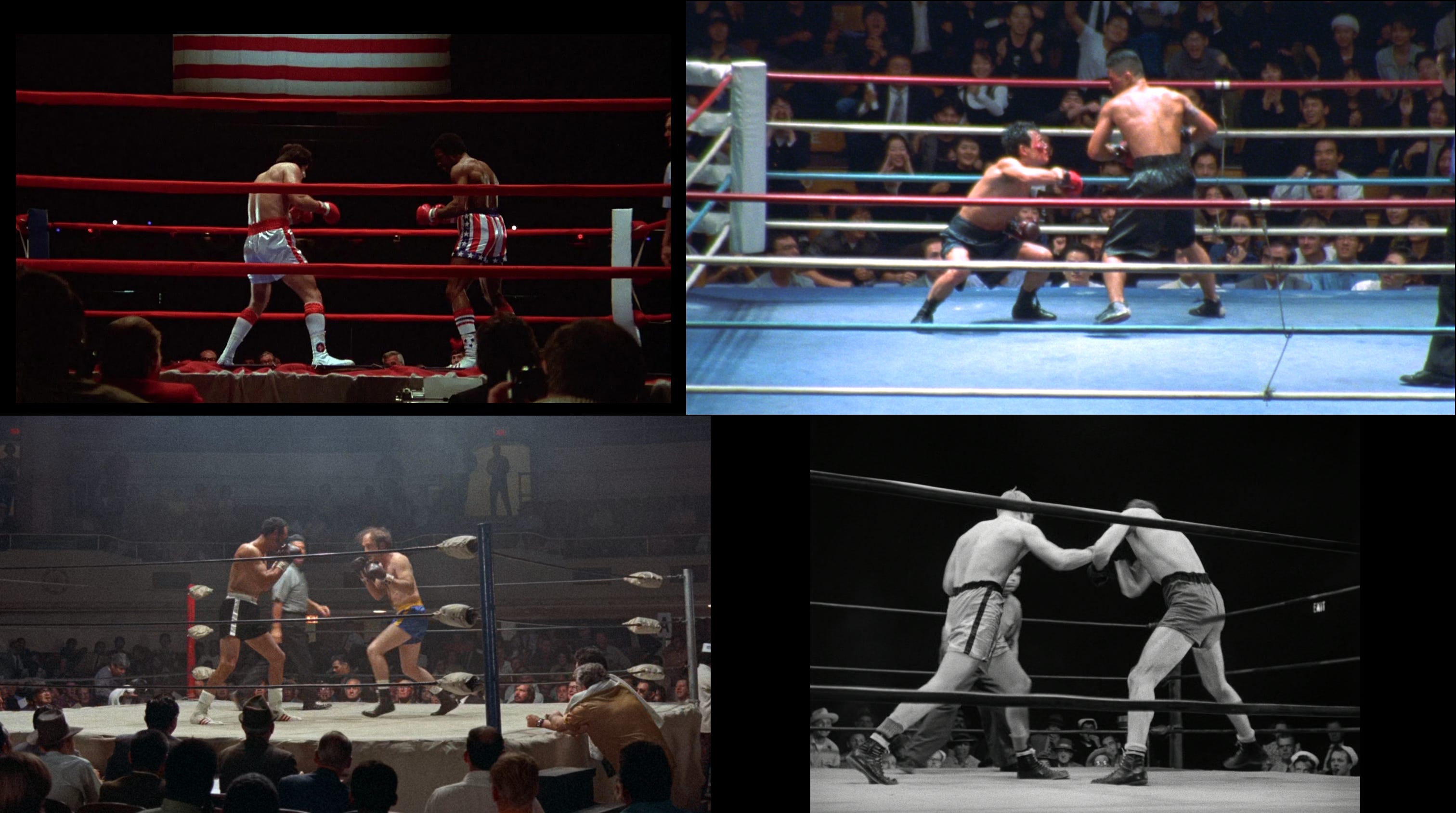
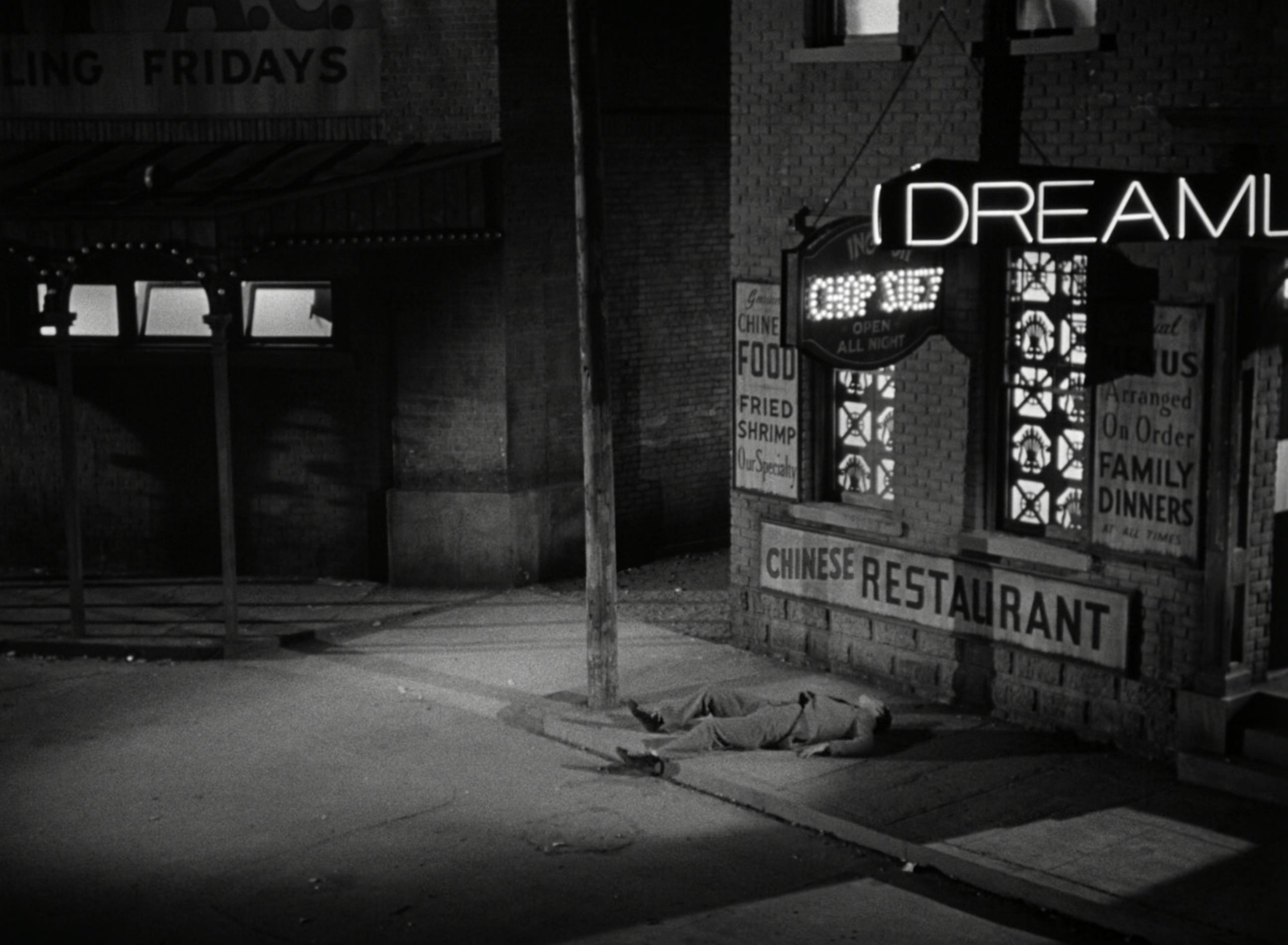
For Elly Day in 2025, I decided on a boxing theme. It gave me an excuse to rewatch Tokyo Fist, to watch a certifiable classic - Rocky, and to explore two other lesser known boxing films, Fat City (1972) and The Set-Up (1949). The latter two had been on my watchlist for a bit, but who knows when I woulda really gotten around to watching them.
I was curious to see if there were any clear throughlines and themes between the films in this genre. I know that there are numerous films that fall under this umbrella, but starting with a sampling is never a bad idea. One thing I believe I can say with confidence, as per the films watched today, boxing doesn’t have good beginnings nor happy endings. You don’t go into boxing if you are functional. Unfortunately, this is often an attribute of having financial security, which many many do not. Boxing seems to exist as an escape, some sort of way for the destitute to climb out of their pit of despair. All the films seem to showcase the human struggle, the struggle against self, against others, against the environment, and against their circumstances.
Thanks for reading! Subscribe for free to receive new posts and support my work.
As much as these films demonstrate that boxing can’t fix your problems and that life might be rigged, the love of these films, along with the love of the sport itself, has stirred up a fervor within the world at large. Folks attach the idea of a boxing film to a manifestation of the American dream, espousing it as something positive, instead of the condemnation they really are.
Rocky (1976)
I had a whisper in my brain that led me to believe Rocky would indeed be this condemnation. In my admittedly small roster of Stallone films, I have at least the knowledge that Rambo was full of thematic layering. The film was interwoven with nuanced portrayals of PTSD, the human experience of Vietnam vets, the lack of support the government provides, and the corruption of small town cops. If Rambo came out after Rocky, maybe I could expect some similar level of societal introspection in his earlier film.
Rocky did not disappoint. His life is in poor shape, he doesn’t make much money, he works for a criminal, he doesn’t have respect boxing, he fawns over a woman who is not reciprocal, and his best friend is a drunk. But through all this, he still is a decent guy, with a good heart, and for a masculine portrayal of a man, he does get a lil too pushy for my liking with Adrian, especially the hand at the door, but for the 70’s he’s not the worst thing in the world.
Through all this, good luck finally befalls him and he gets a match with Creed. Nothing has changed about who he is, but the way folks around him change how they treat him. His environment dictates who he is, in some capacity, even if he does not always find it for the better. He wins the affections of Adrian, yet now has to deal with her brother Paulie.
He has his gyms owner clamoring to become his manager, where just a day ago he was kicking him out of his locker. Everyone in the film treats Rocky only as a reflection of how useful he is to them with few exceptions; Adiran and his loan shark boss. I particularly enjoyed the second of those two, while watching I was praying that they never went back to any implication of his boss wanting something for giving $500 and there never was.
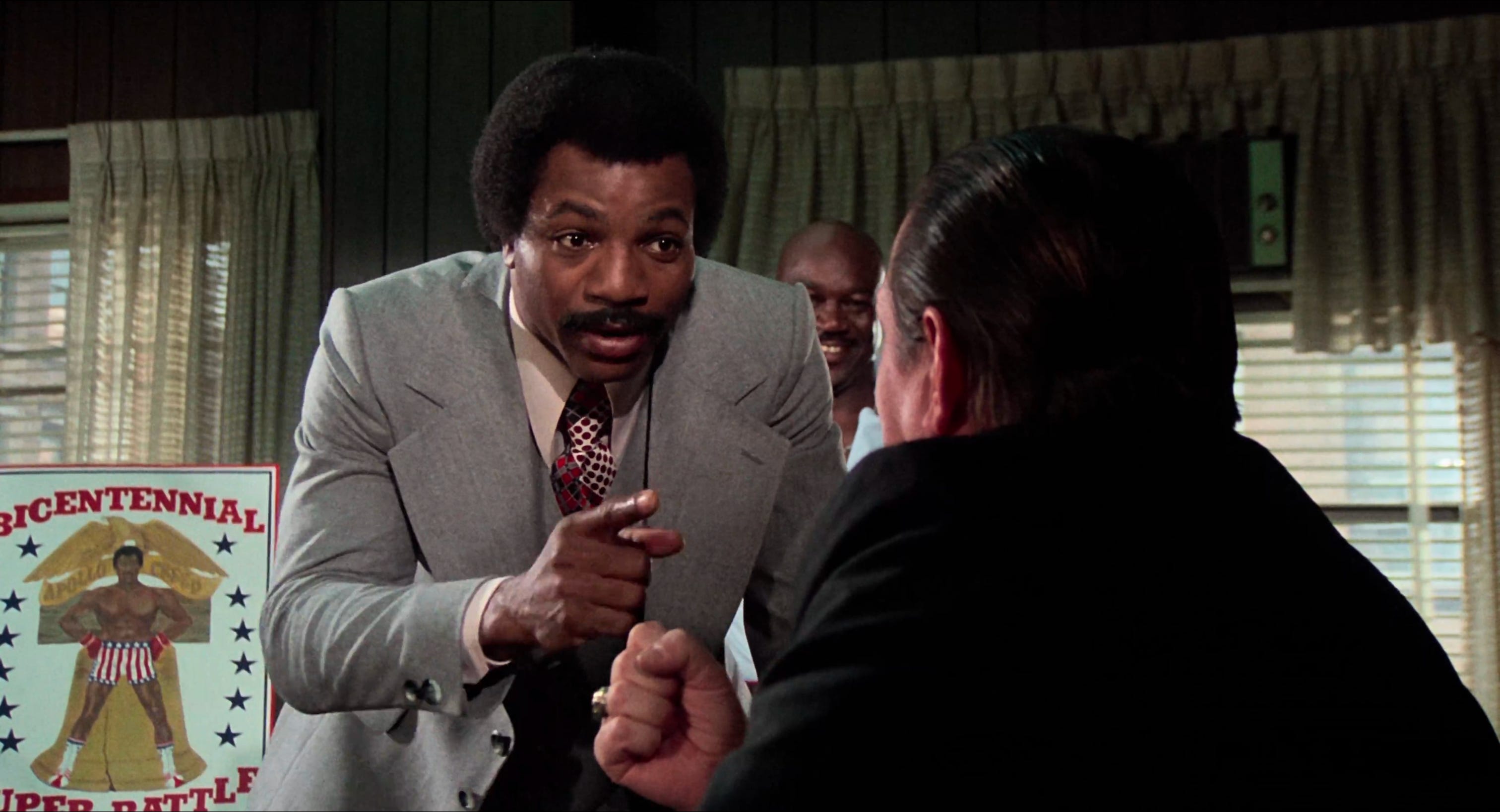
The scene where Creed comes up with the idea for the bout has my favorite lines in the film.
It’s very American.
No, Jergens. It’s very smart.
The idea of anyone and everyone having a chance at the title, or extrapolated, having a shot at making something out of their life in America is a lie told to all those that we allow to fall between the cracks. All those who are forced by a system to fall through those cracks. Americans want to believe a truth that everyone having a good fair chance at success is an American monopoly, but America is not structured intelligently, with intention towards that purpose. Doing that would be smart, not American.
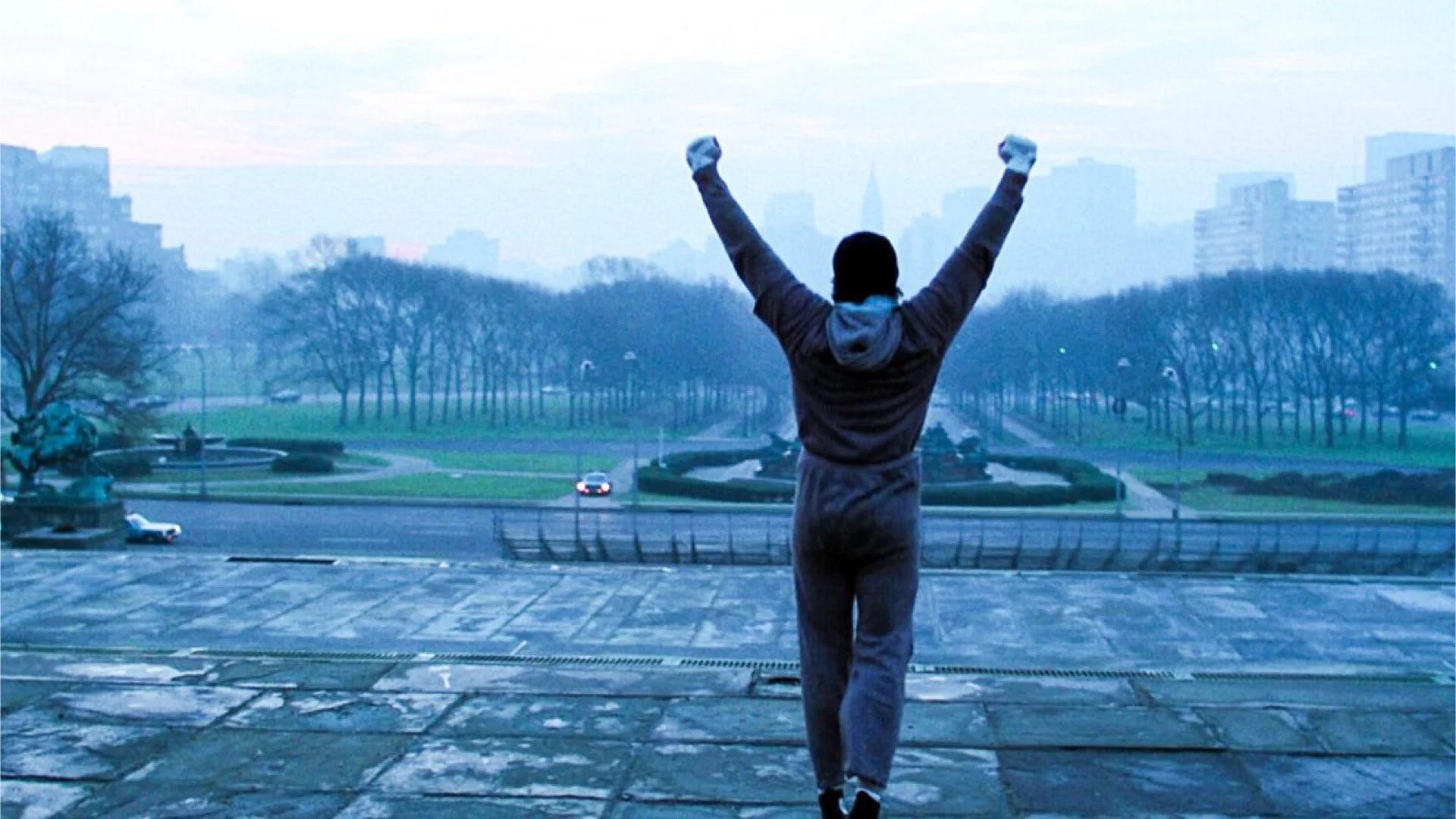
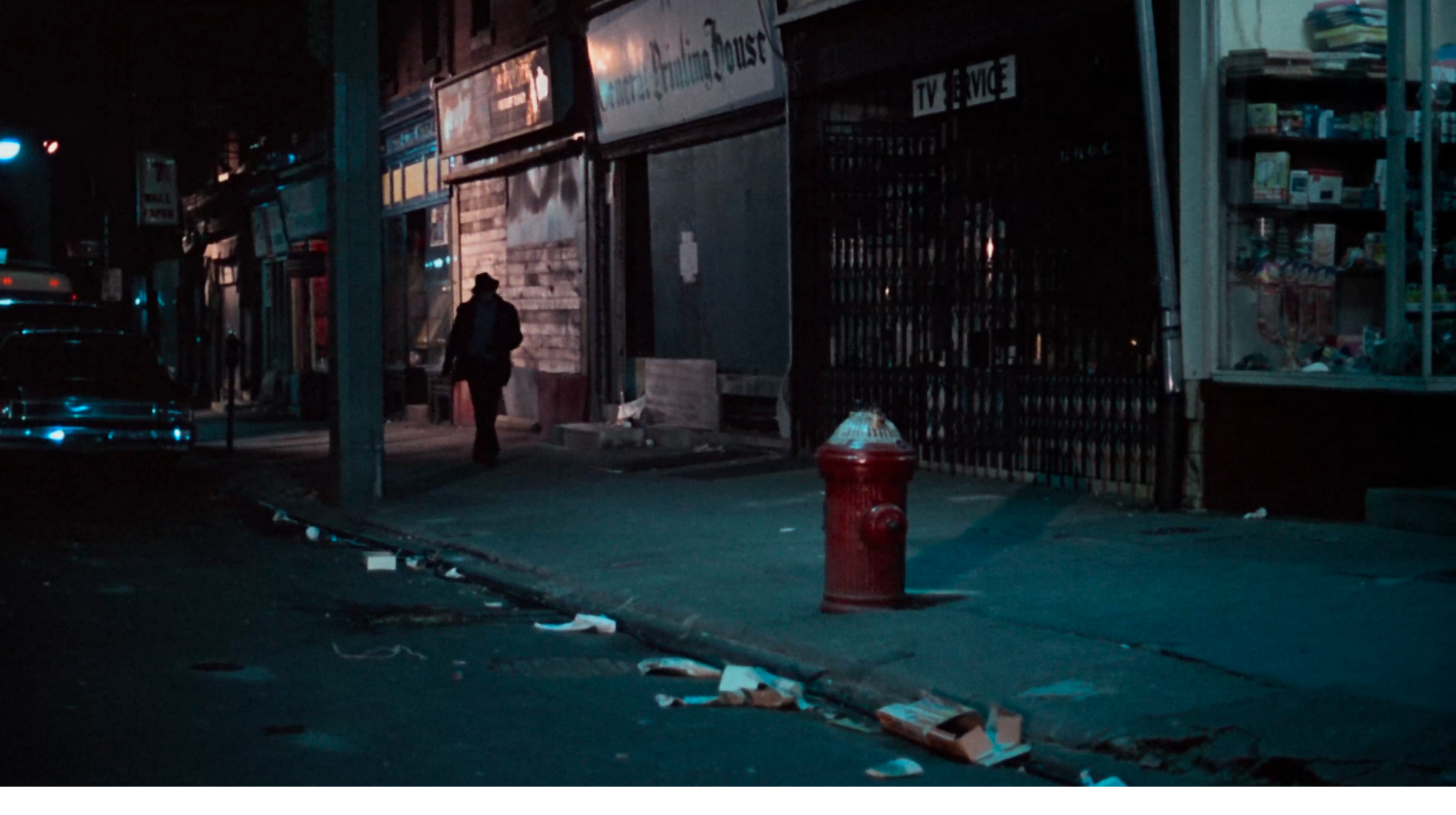
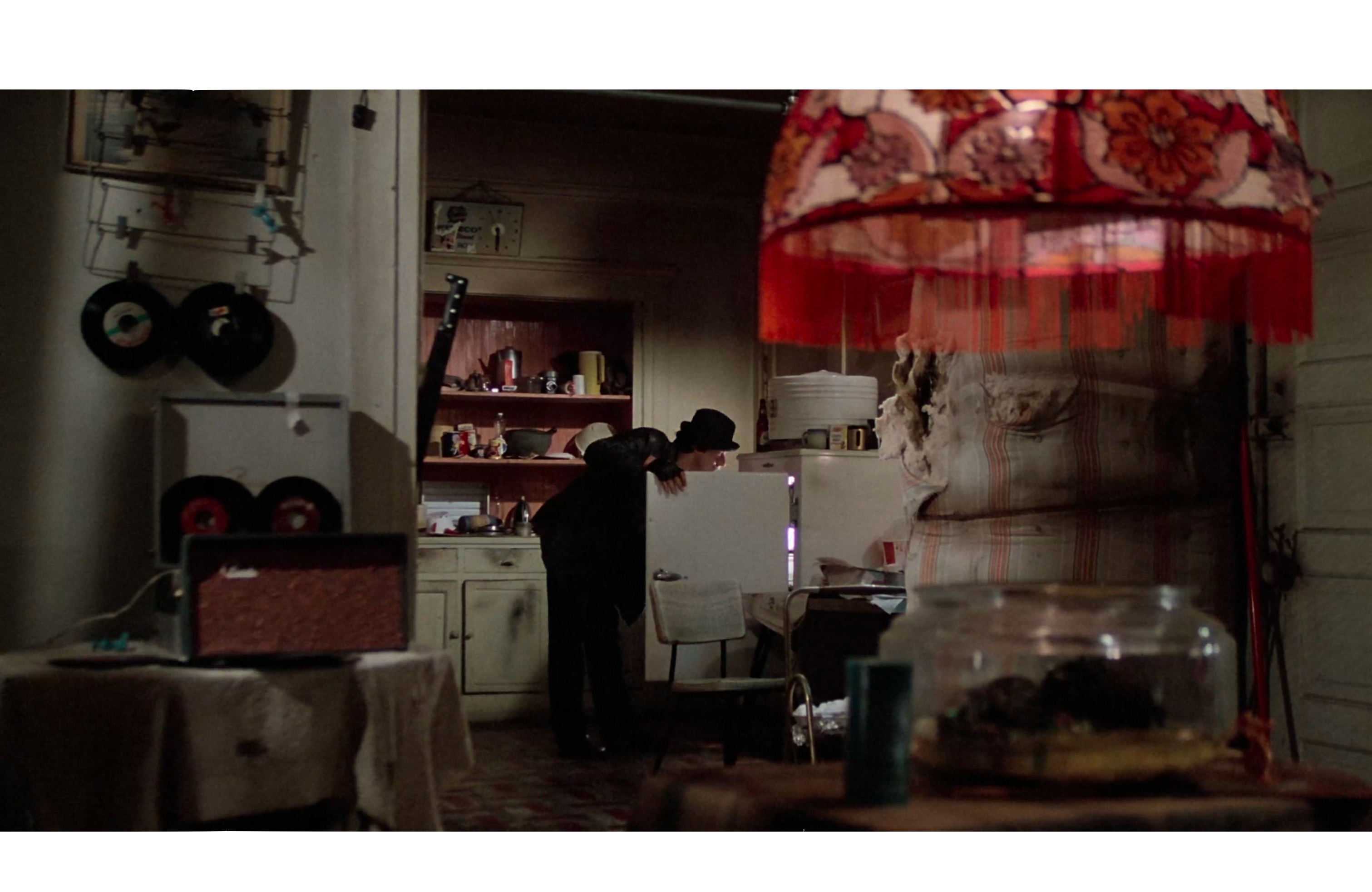
Yes the soundtrack was awesome, as were the montages, but two things really captured me during this film. One, Rocky, and two, how it was shot. Stallone’s rhythmic, almost self soothing, portrayal of Rocky had me engaged anytime he was on screen and speaking, which happens to be the majority of the film. He feels so very human in all his interactions, everyone else in the film is also elevated to create the magic we get on screen. There is a rich texture throughout the whole film, helped along by the sets, that paint such a vivid picture of Philly slums and the struggles all who live there face. He plays Rocky with a lot of internal wounding and visible pain both. Yet there is nuance, hope appears at numerous points throughout the film, received by others, or while trying to derive it himself.
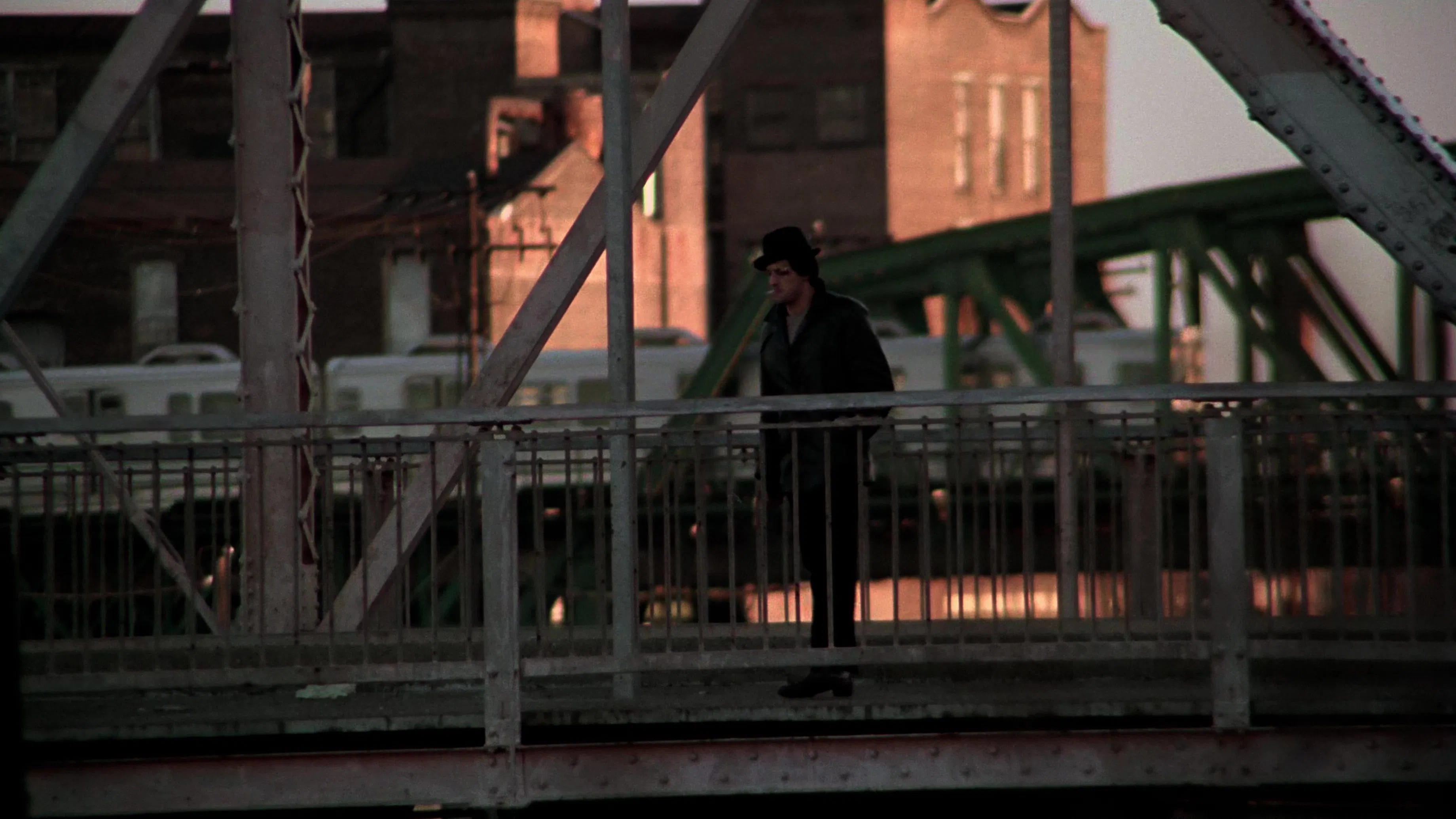
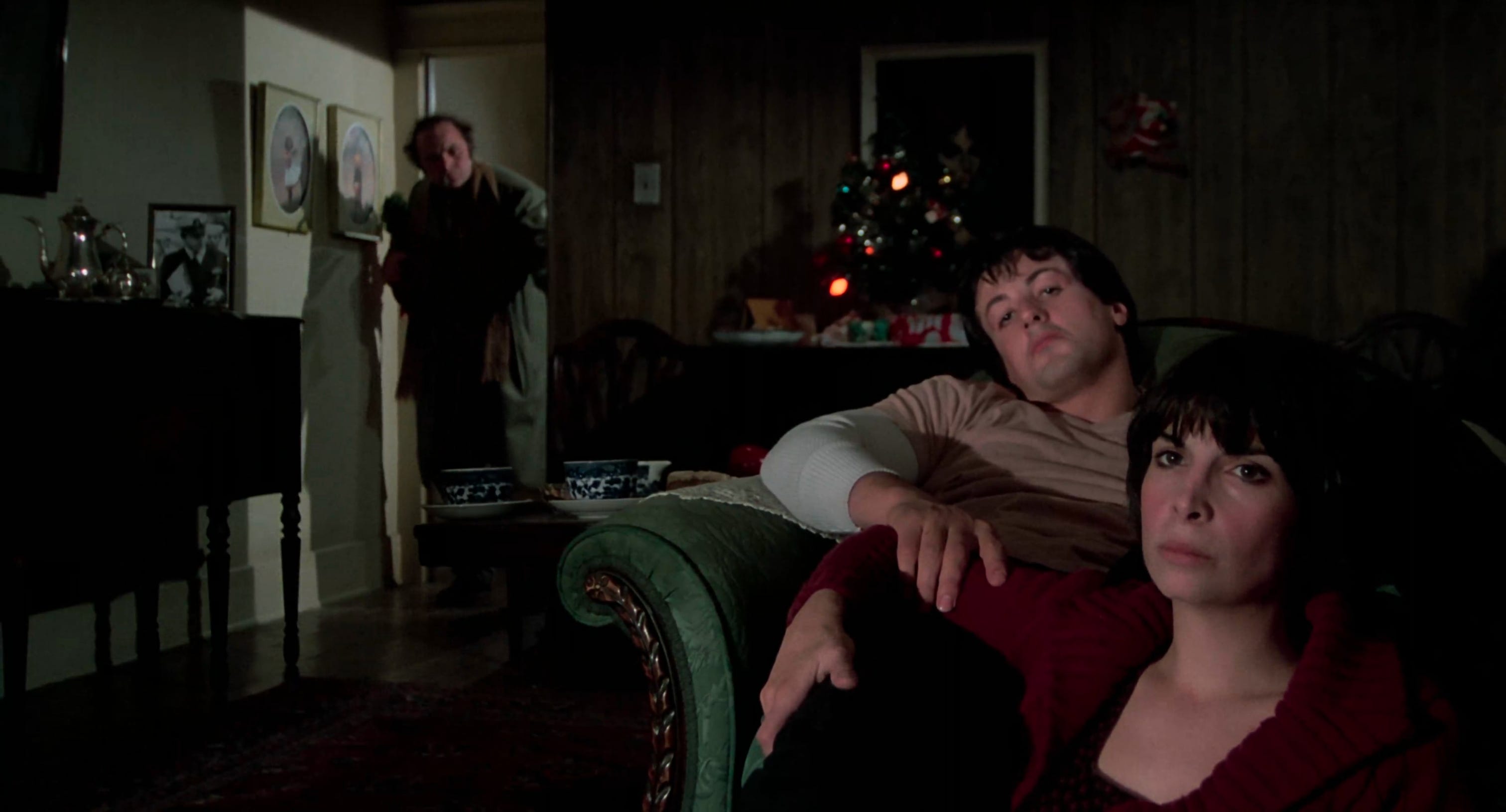
Rocky’s entire journey, if one can exactly call it that, is supported through the cinematography. Early on, he is often framed with objects surrounding him, or even between him and the camera. Focal depth brings the background in focus with him, so he blends into the scene. As the film progresses, and folks start treating him differently, and how he changes as a response, is communicated to the audience through shifts in the cinematography.
The depth of field shifts to make him emerge from the background more and more. The angle of shots change so we get more and more low shots and he looms larger and larger to us. By the end, the whole world is not treating him like another bum, but like a hero. But as we saw from standing side by side the entire journey, he always had what it was that was needed inside of him. What it really took was blind luck, and others supporting him, for the world to acknowledge him.
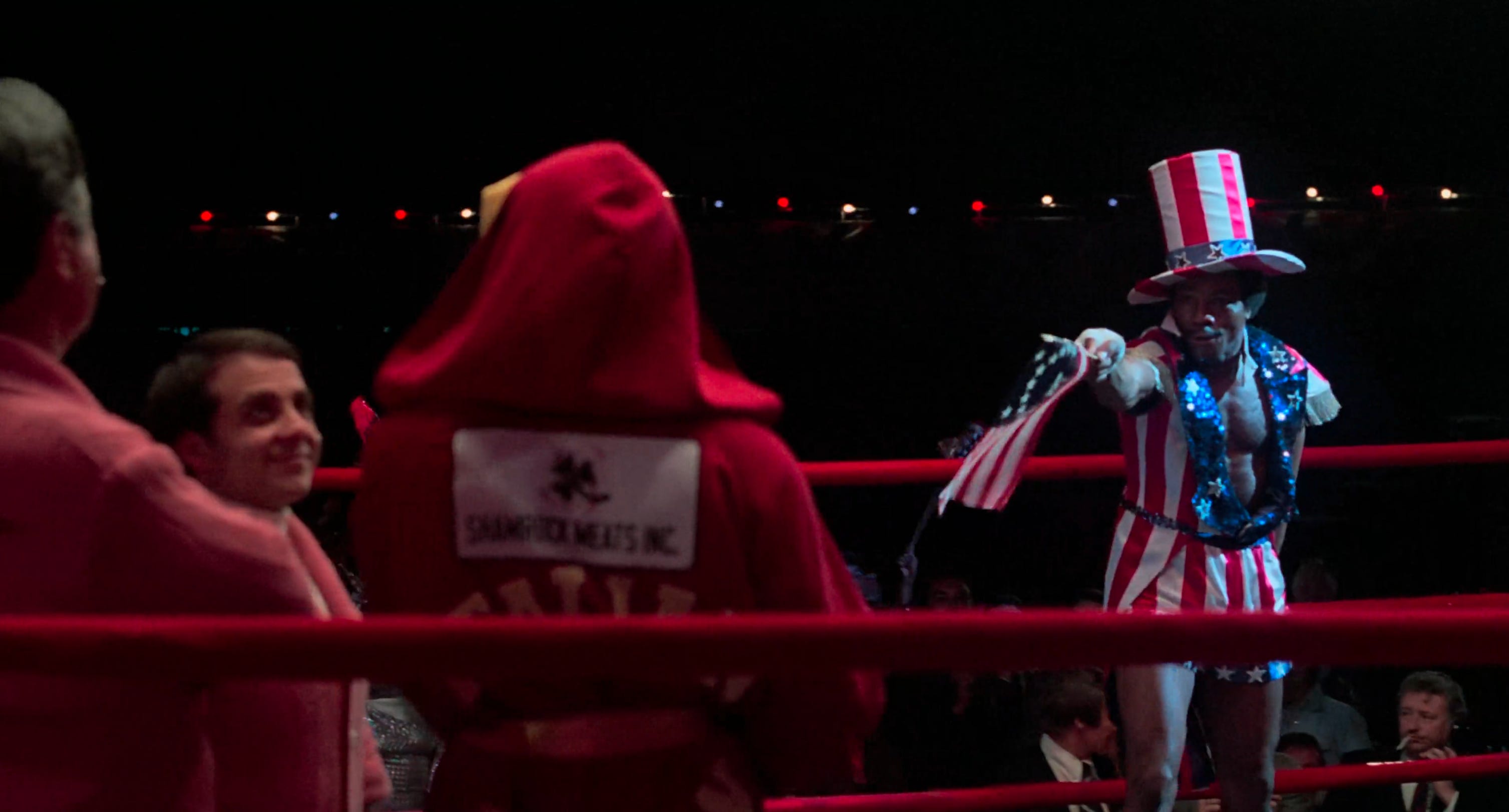
In the end, he goes through a lot of suffering, is it worth it at the end? He does lose the fight, but he improved other aspects of his life in a myriad of ways. I would say it can still be interpreted to be a celebration of the American Dream if one wants it to be, I, however, don’t feel like it was a mistake that they made the ultimate villain the American flag.
Tokyo Fist (1995)
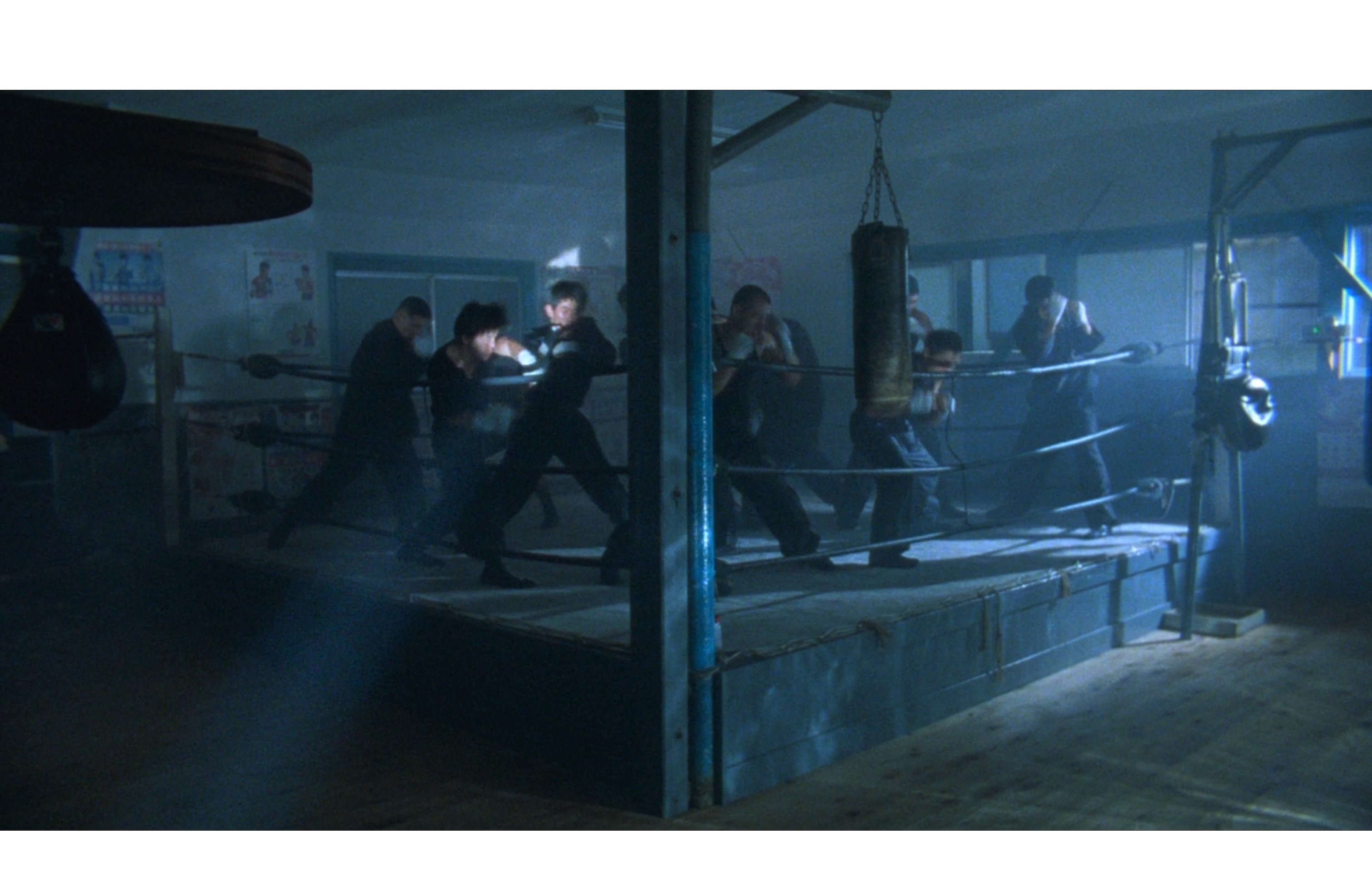
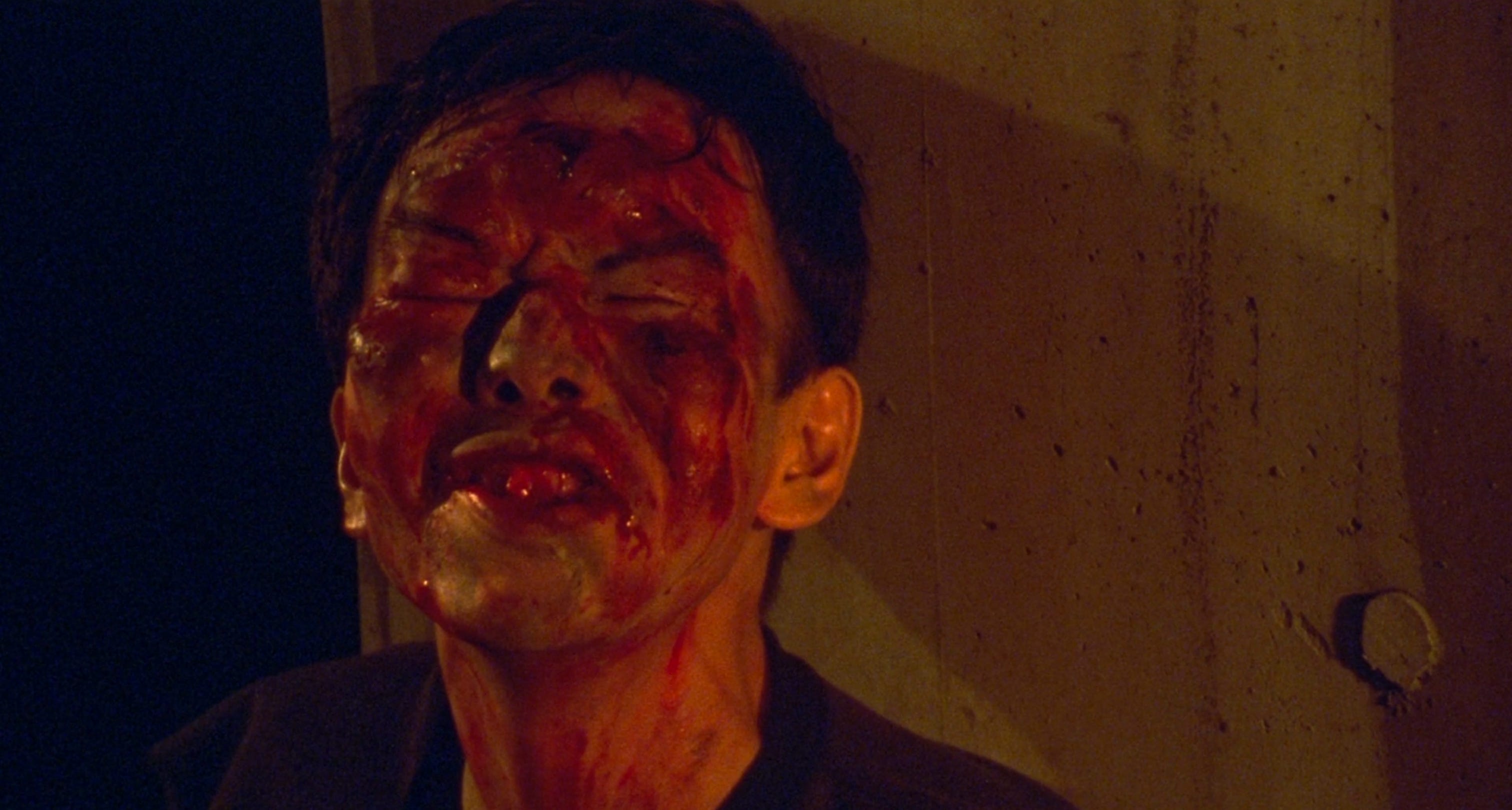
Am I forced to gush about this film again? Well, if I must. Right off the bat, you are dropped into a film with quite a different tempo from Rocky. The frantic yet rhythmic sounds of gloves hitting pads paired with the hyperactive camera immediately suck you into this nightmare. The film then makes sure you are kept there for the entire duration of your suffering.
I’ve reviewed the film once before here, so let me save some time by quoting myself.
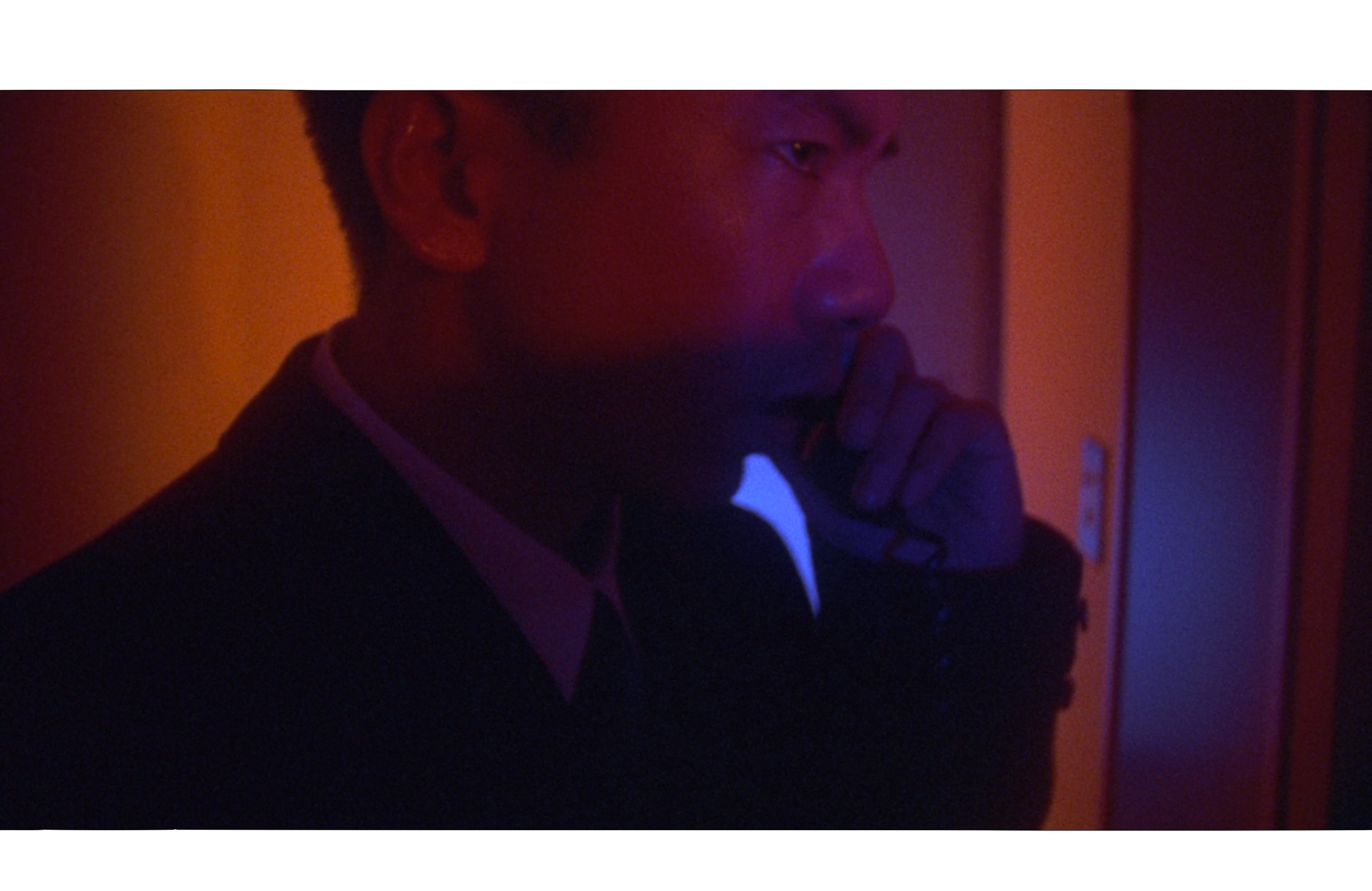
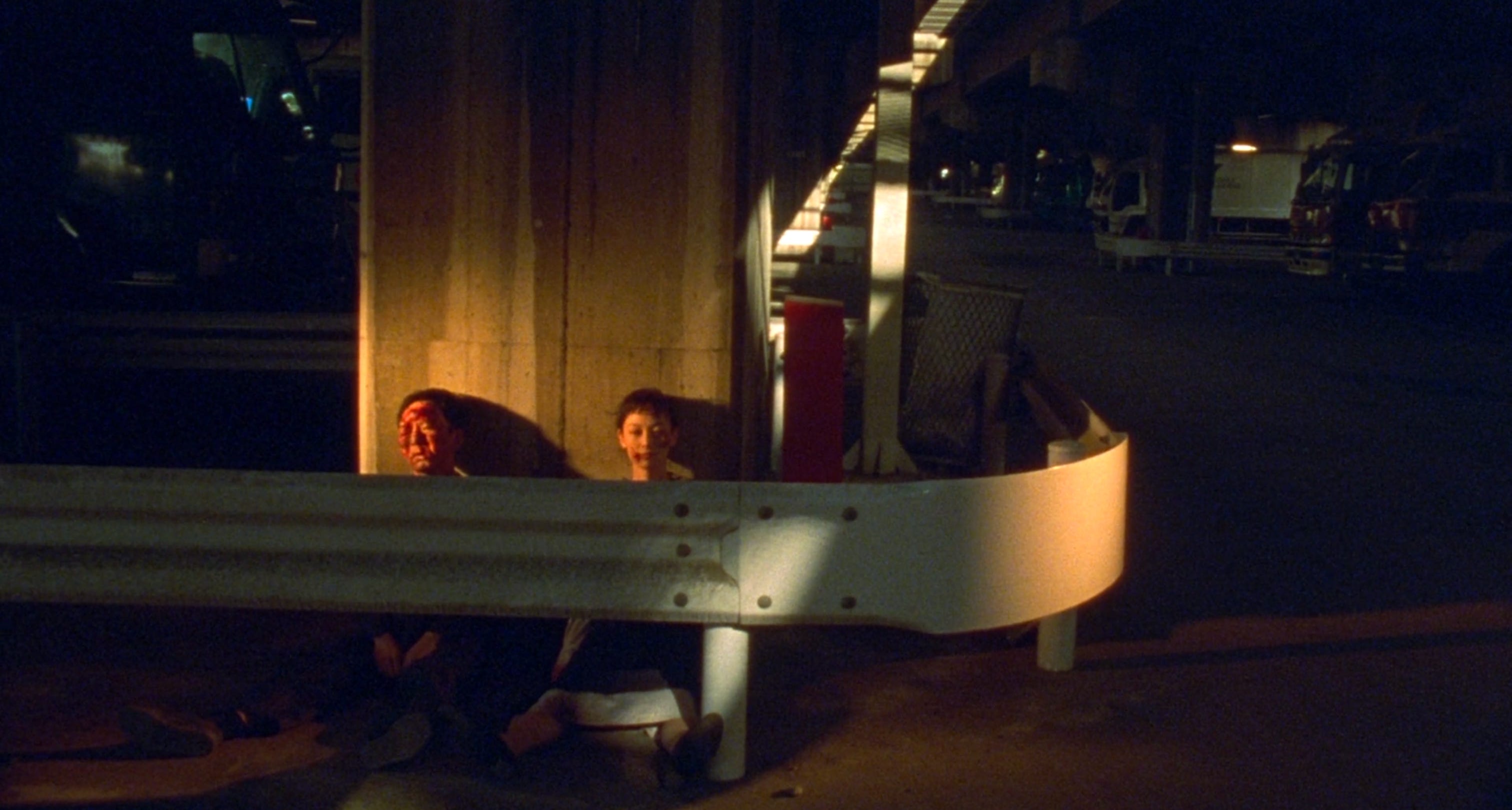
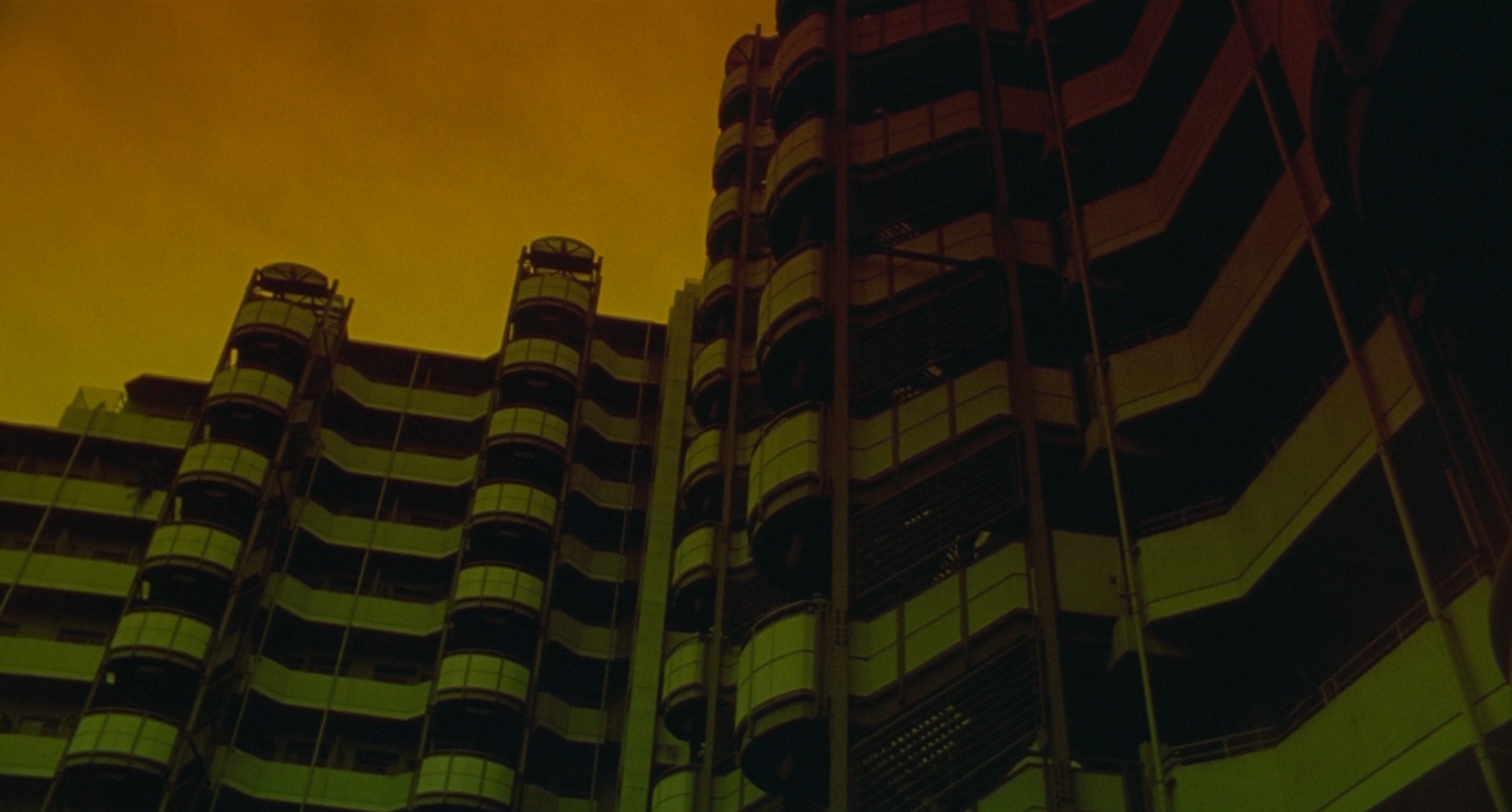
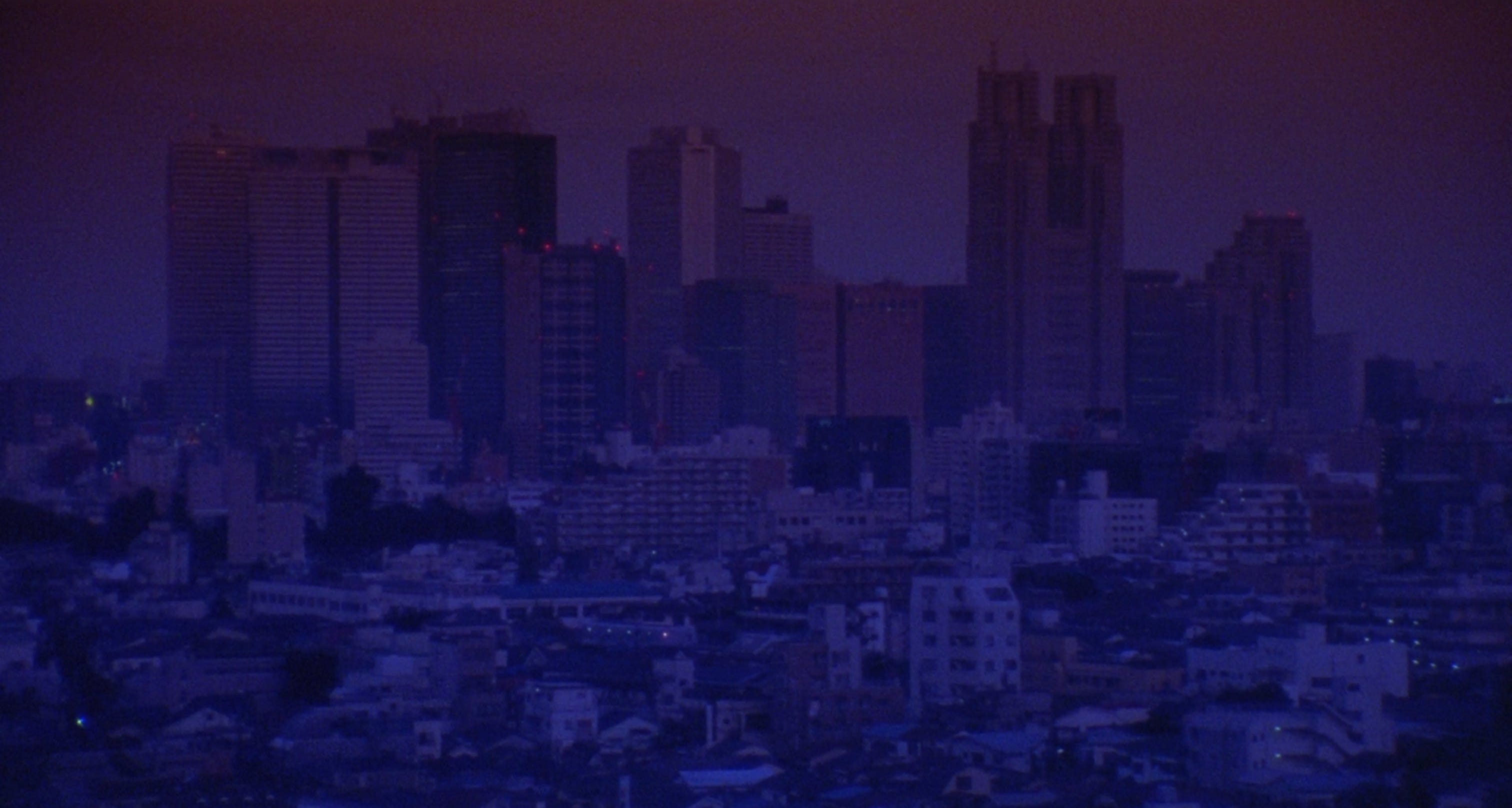
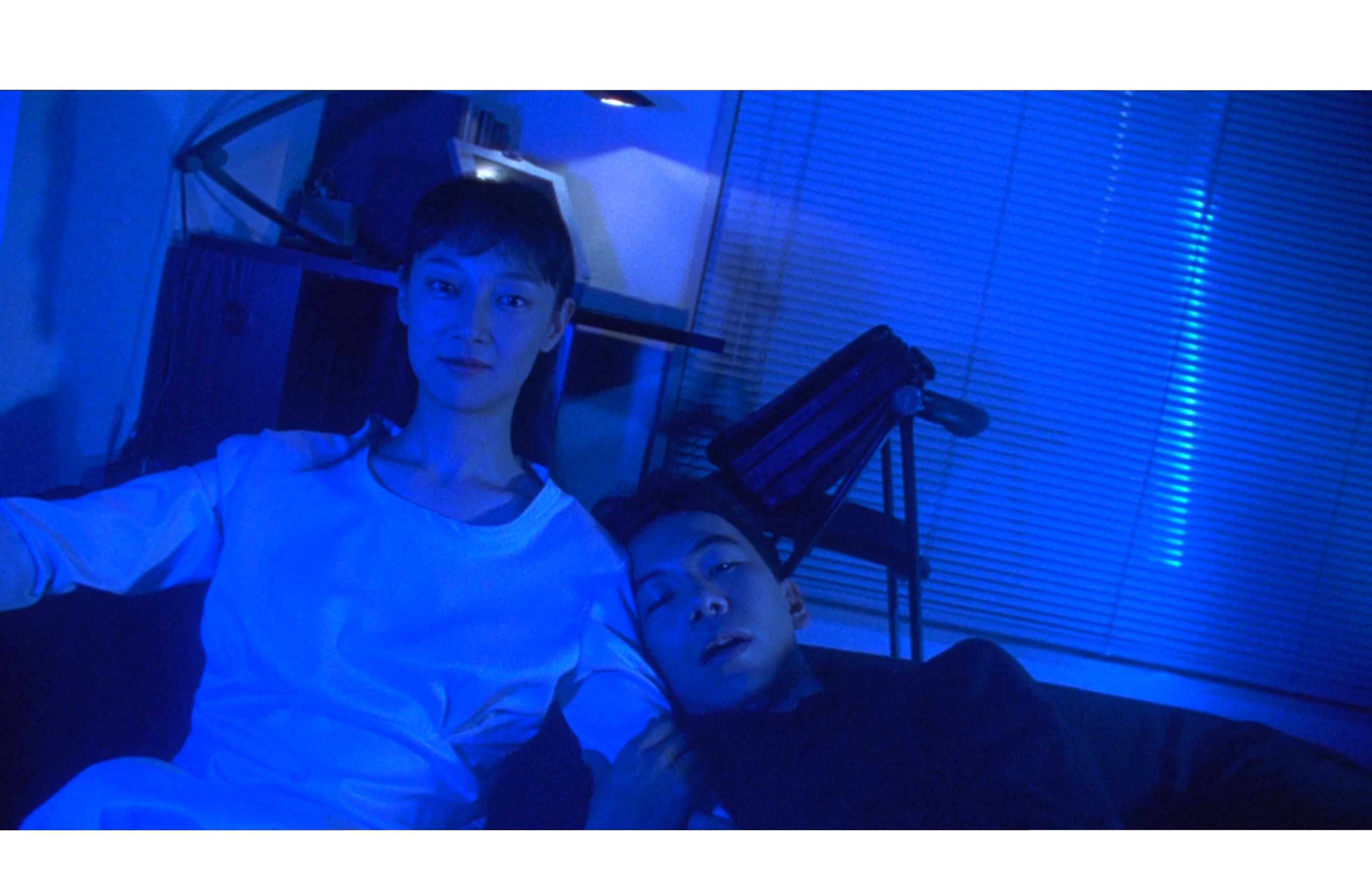
The whole movie feels like a fever dream, so much surreal lighting, dialog, acting, shot composition, slow mo, you name it its got it. I loved the lighting especially, using blues, reds, yellows almost exclusively to convey emotion (except in the boxing ring).
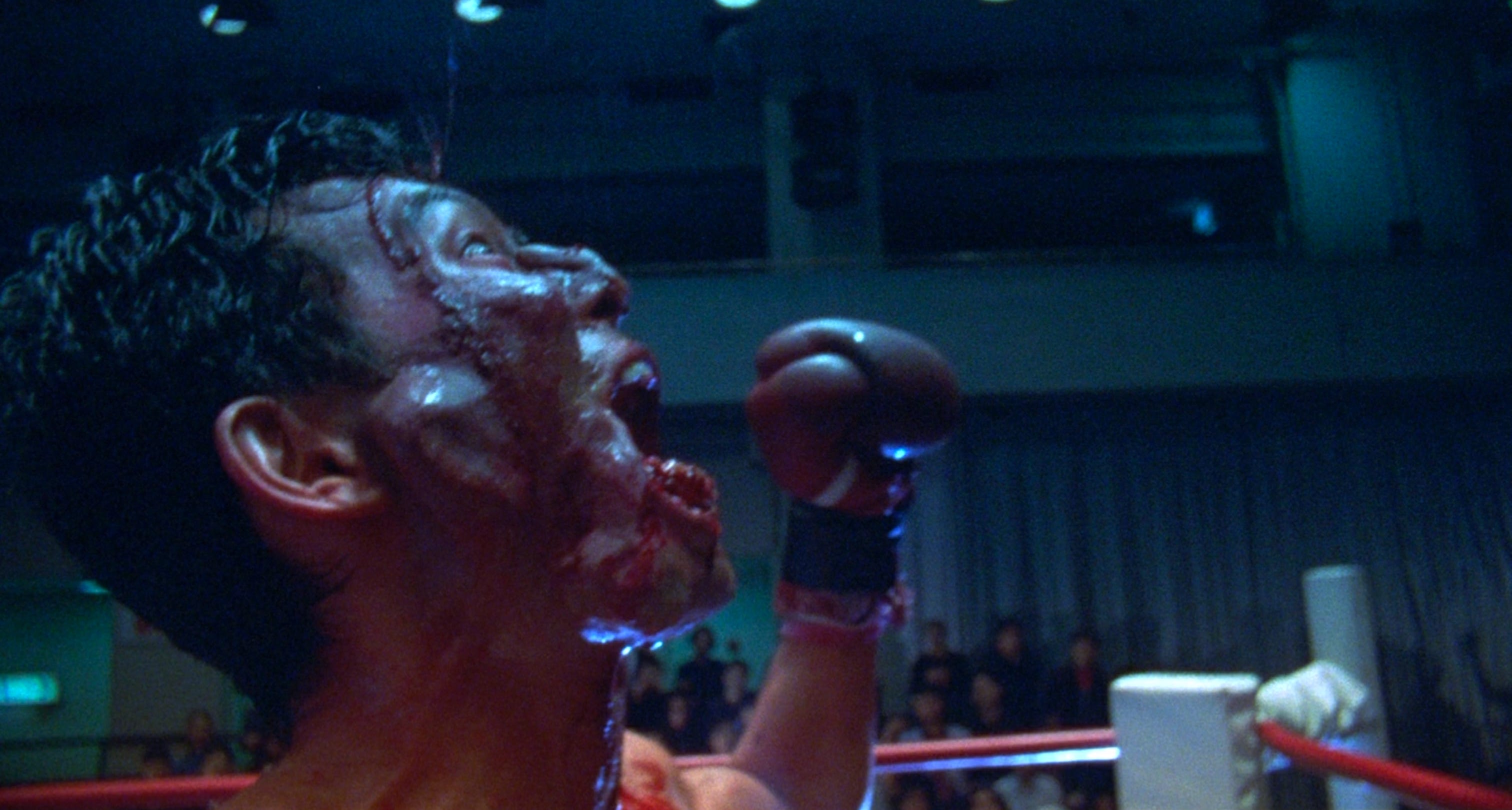
It’s unbelievable to me that Tsukamoto wrote, directed, produced, shot, and starred in the movie all himself. I’m not even sure the logistics of how he shot and starred in it, and I mean he was the cinematographer, I’m not using shot in the colloquial sense of director (tho he was that too). Its easy enough to set up stationary cameras, but so much of the movie had extremely high amounts of movement. It really lets you viscerally feel like you are going through the same actions and emotions as the characters on screen. This is most evident during the fight scenes where the shaky cam is what Bourne wish it was. Shaking the camera really made the impact of the punches (and any other motions) more evocative. The sound design pushed this to even greater heights, with amazing punchy bass during any contact. The soundtrack was high octane when it needed to be and dreamlike otherwise, which makes perfect sense. This all combined with the extremely fast paced kinetic editing makes the whole movie rip.
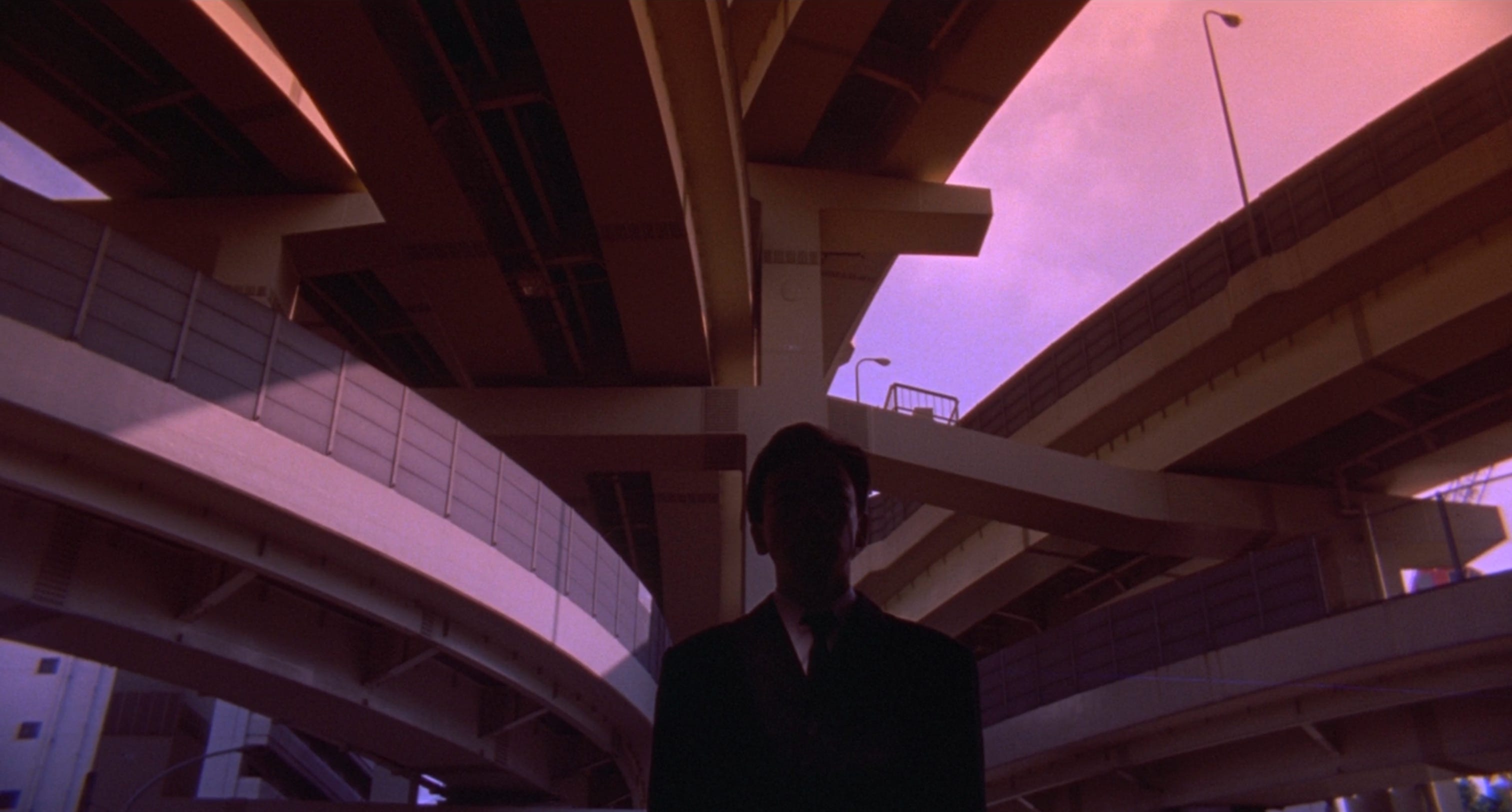
The movie was extremely pretty cinematography wise, and the shots of Tokyo buildings and city life fill you with a sense of wonder. Great shot composition throughout, interesting angles, non-standard yet ensuring in its ability to pull the viewer further into this nightmare. It gets more and more expressionistic as the movie goes on, matching how the story itself also goes off the rails. Near the end it gets really crazy, more in line with what I expect from Tsukamoto, and as always, a joy. The boxing becoming more and more stylistic, almost purely so at the end was amazing. Granted the whole movie was dripping in style.
On top of all of that, within the context of the rest of the boxing films we watched this day, it is clear that Tsuda was also very unhappy with his life. He has a steady job, a partner who wants to become his wife, housing, everything the world makes you believe you need, but it is not enough. The job sucks the life out of him, he doesn’t get any time to spend in his home, he treats his partner almost like furniture, forgetting even the gifts he had bought for her.
Hizuru and Kojima are no better. Neither seem satisfied with the direction their lives have taken. Kojima pours his life into boxing but is rarely rewarded, lacking respect while he is filled with anger and angst around his past failures. Hizuru realizes she has been putting on a facade her entire life without even knowing. The introduction into hyper violence opens up a brand new avenue that unfortunately cumulates with the only thing this sort of longing really leads you towards. Death.
The hunt for this purpose, be it identity, glory, acceptance, or respect, done through the violent ways of boxing will never amount to a positive outcome. They all realize that the traditional life paths are a farce, but falling prey to boxing is just another red herring as well. You end up beaten and bloody no matter what, it is just a choice of if you want it internally or externally.
Fat City (1972)
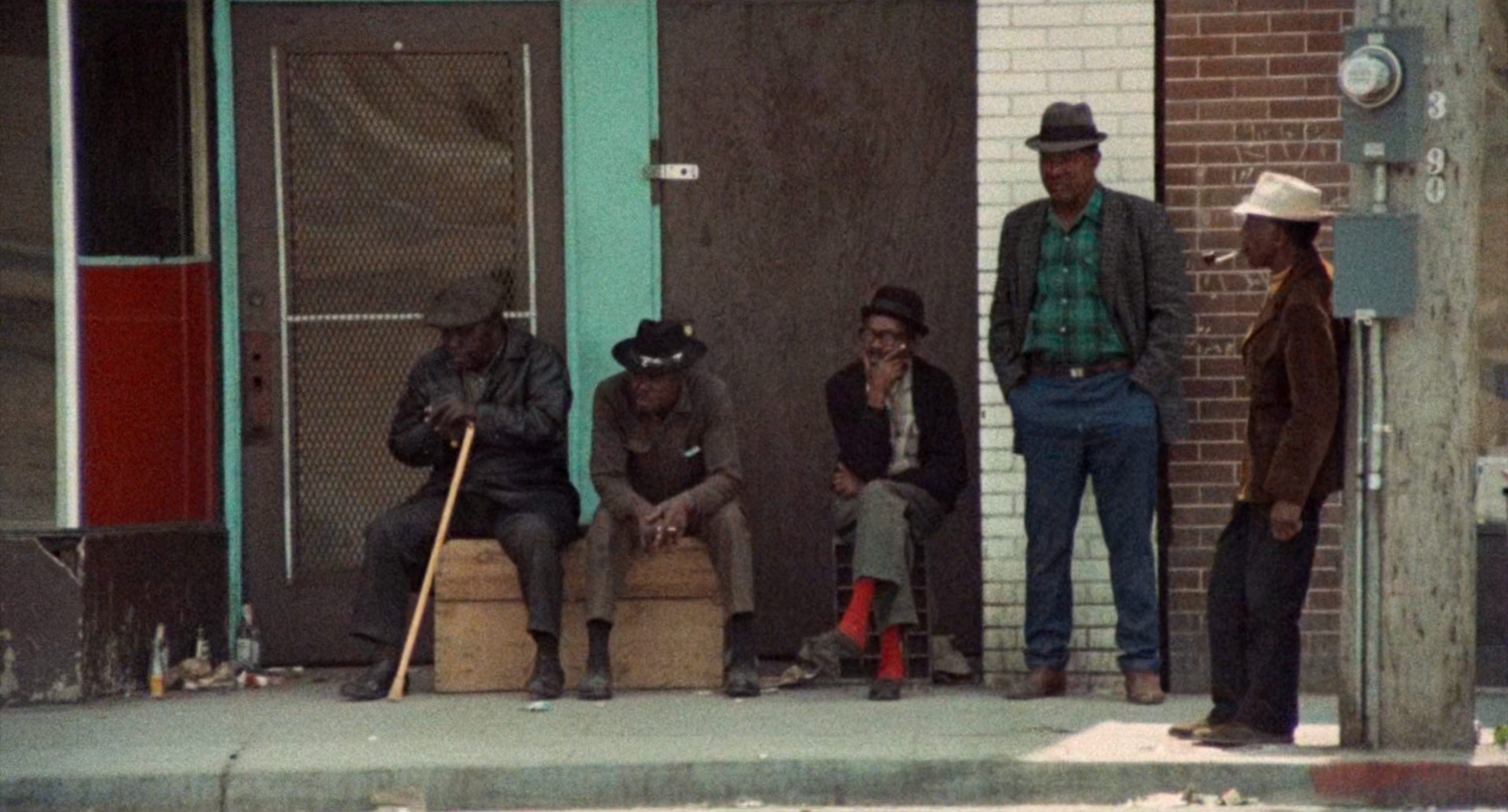
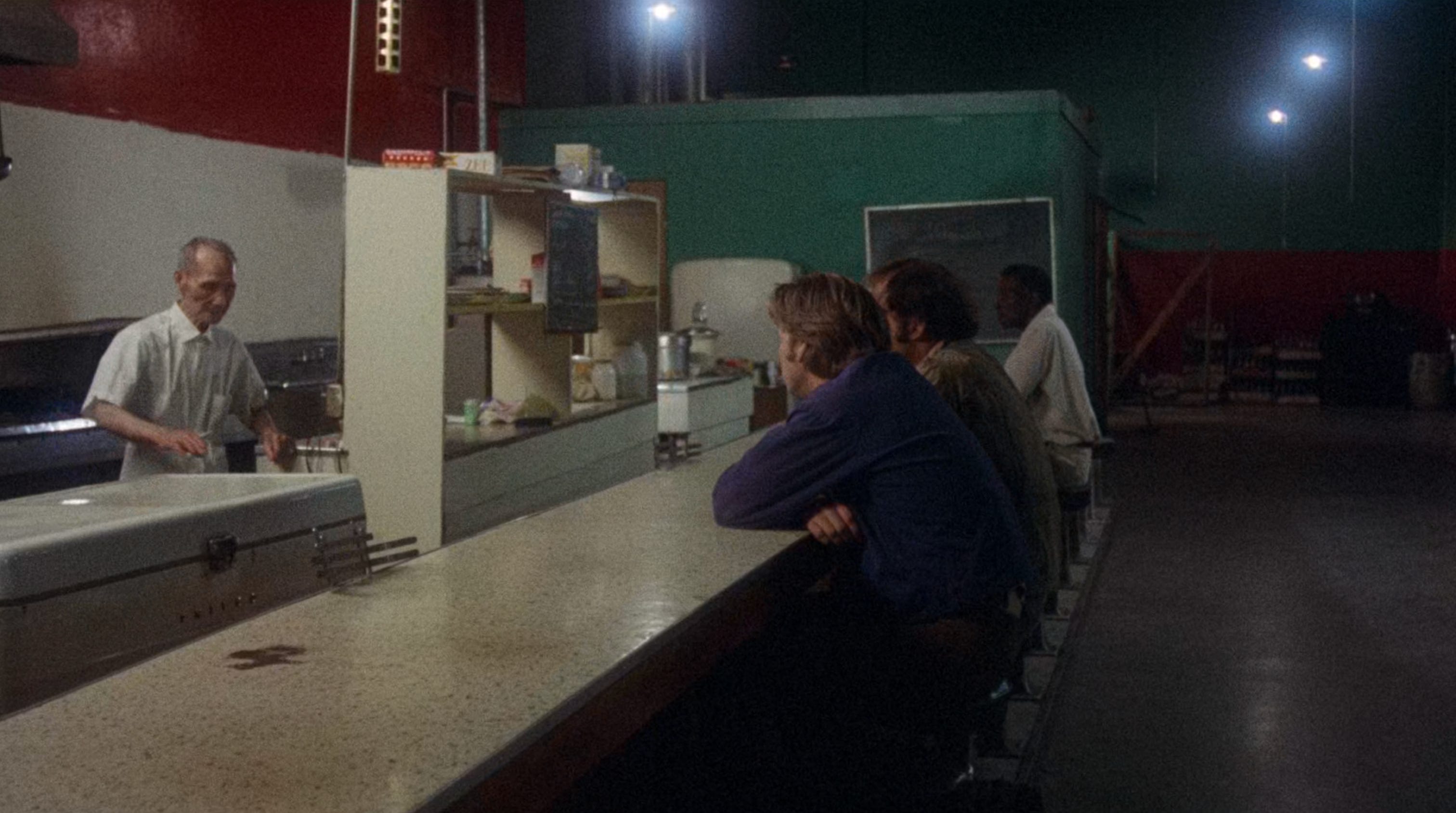
Boxing films continue to be raw and suffocating. Fat City is another character study of an aging boxer, along with various other marginalized folk leading desperate lives. Everyone in the film is in some way trying to get to Fat City, but that’s the big irony here, no one ever gets to Fat City. Just like the American Dream, it exists to exploit and prey on those who feel like they have no palpable way out of their situations.
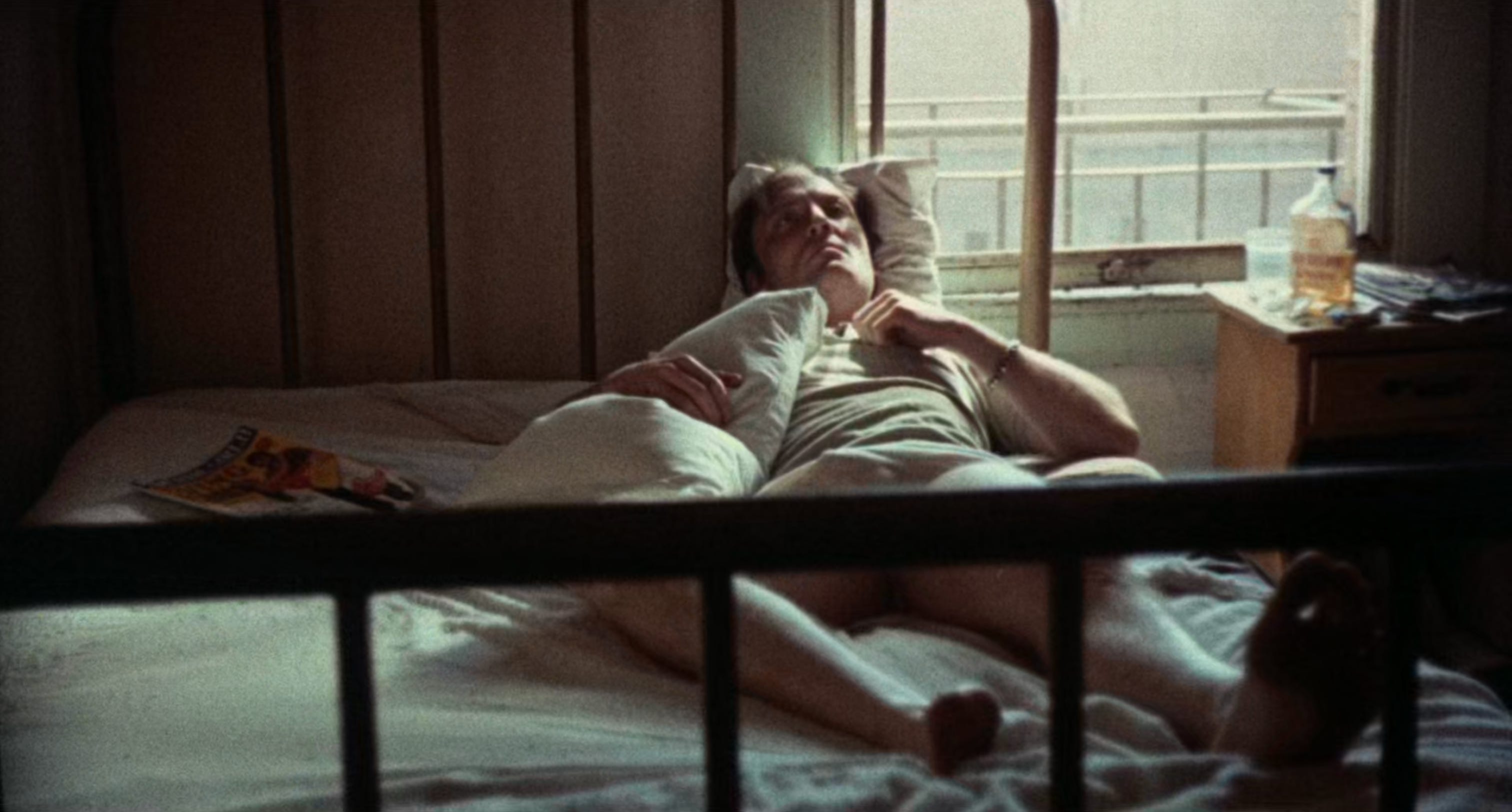
The main focus is of course on Billy, a man who once had a marriage, a family, and a somewhat successful boxing career, who, as we find him, is over the hill, breaking down, and contends with life through drinking. He runs into a promising young man, Ernie, who he then connects with his old manager.
Things continue throughout from one failure onto the next. The exhausted quiet desperation slowly builds tension throughout the whole film. This overwhelming feeling fills the space to the point where you want out just as badly as Billy does. It all condenses into one of the more tiring and sweaty boxing exchanges in these series of films, one where you can feel the race to the bottom in your soul.
The film is beautiful and the cast does a good job of inhabiting the roles they are given, but what stands out most to me is the ending. Billy wins his fight, but it amounts to nothing. He’s not happy, he hasn’t made any money, he hurt someone else badly, he doesn’t get his career back, he’s still a mess, he’s still a drunk, and he’s still bitter and alone. Life goes on as it did before.
The final exchange between Ernie and Billy hits you with the sobering truth, Ernie feels successful. He has a wife, a family, a future, he’s young, he’s everything Billy once was. That’s not enough though, in Ernie, we see a reflection of Billy’s past. In Billy, we see a premonition of Ernie’s future. All is not well, one does not make it to Fat City. Even though we can see the truth, it is obfuscated from Ernie. He refuses to believe that it could happen to him.
When asked “Would you believe he was young once?”, he replies “No”. The wisdom is not completely lost on Billy, “Maybe he wasn’t”. He realizes now, that maybe none of them ever really lived, they were all dealt such bad hands that their futures were always prophesied to be bleak.
Almost nothing is glorified in Fat City, you get to experience the grounded monotony of a life stuck in the swallows. In the end, things fizzle out small and quietly, not with a knock out.
The Set-Up (1949)
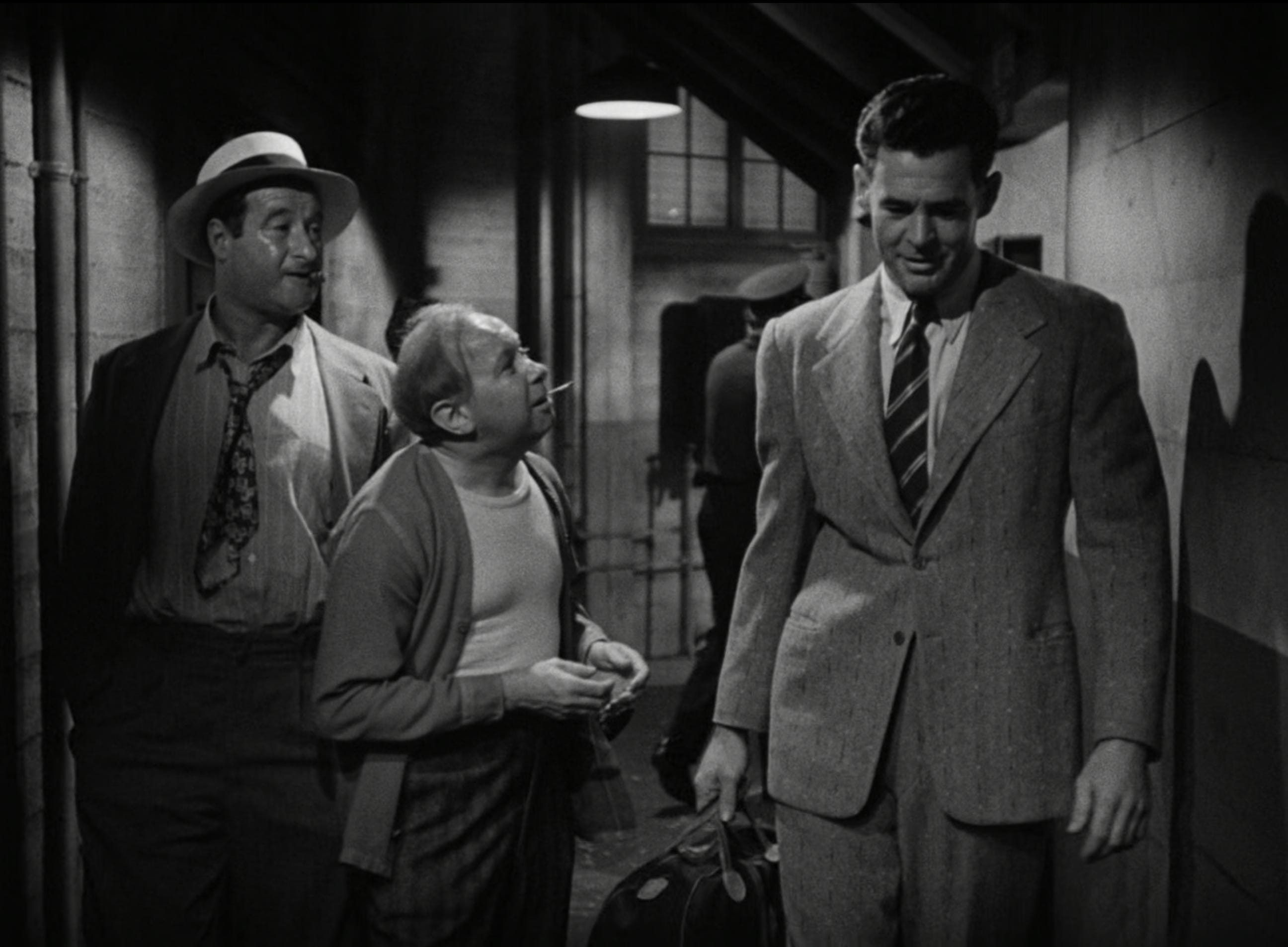
Even when you win, you still lose. Out of all the films during Boxing Day, Stoker feels the least desperate and the most put together. Sure, he’s still over the hill, 35 is far too old to be boxing as every film before this has already informed us, but while he still puts a lot of his self worth, energy, love, and care into boxing, it alone does not directly reflect the horrors of his life.
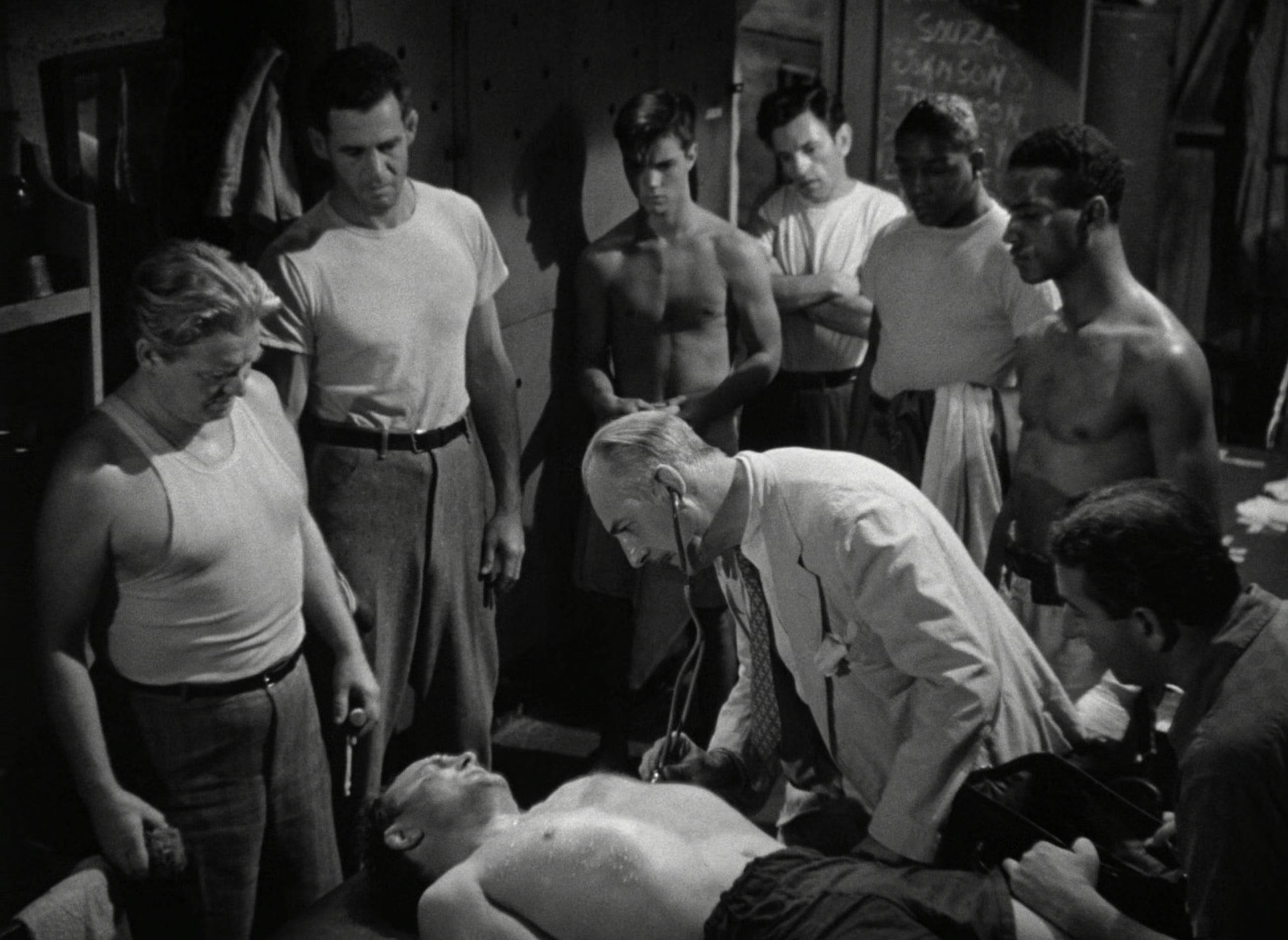
Boxing still is the cause for many of the ills faced by Stoker or others throughout the film, the film doesn’t wash away its impacts. The upcoming fighters see the consequences of losing badly, their spirits waver and in the case of the youngest, causes him to vomit with anxiety. All throughout, Stoker balances his self-doubt and his drive for boxing, for proving himself.
Alongside all of this, corruption is reigning supreme, by the managers, criminals, and all the folks in-between. The audience is ravenous with violent hunger, the film feels transgressive for the 40’s when boxing was not yet popularly criticized for its impact on those inside the ring. Stoker puts himself through hell, proving that he can still do it against a young buck, only for those who should be on his side, instead rooting against him and disappearing after so he could take the fall after not even knowing about the set-up.
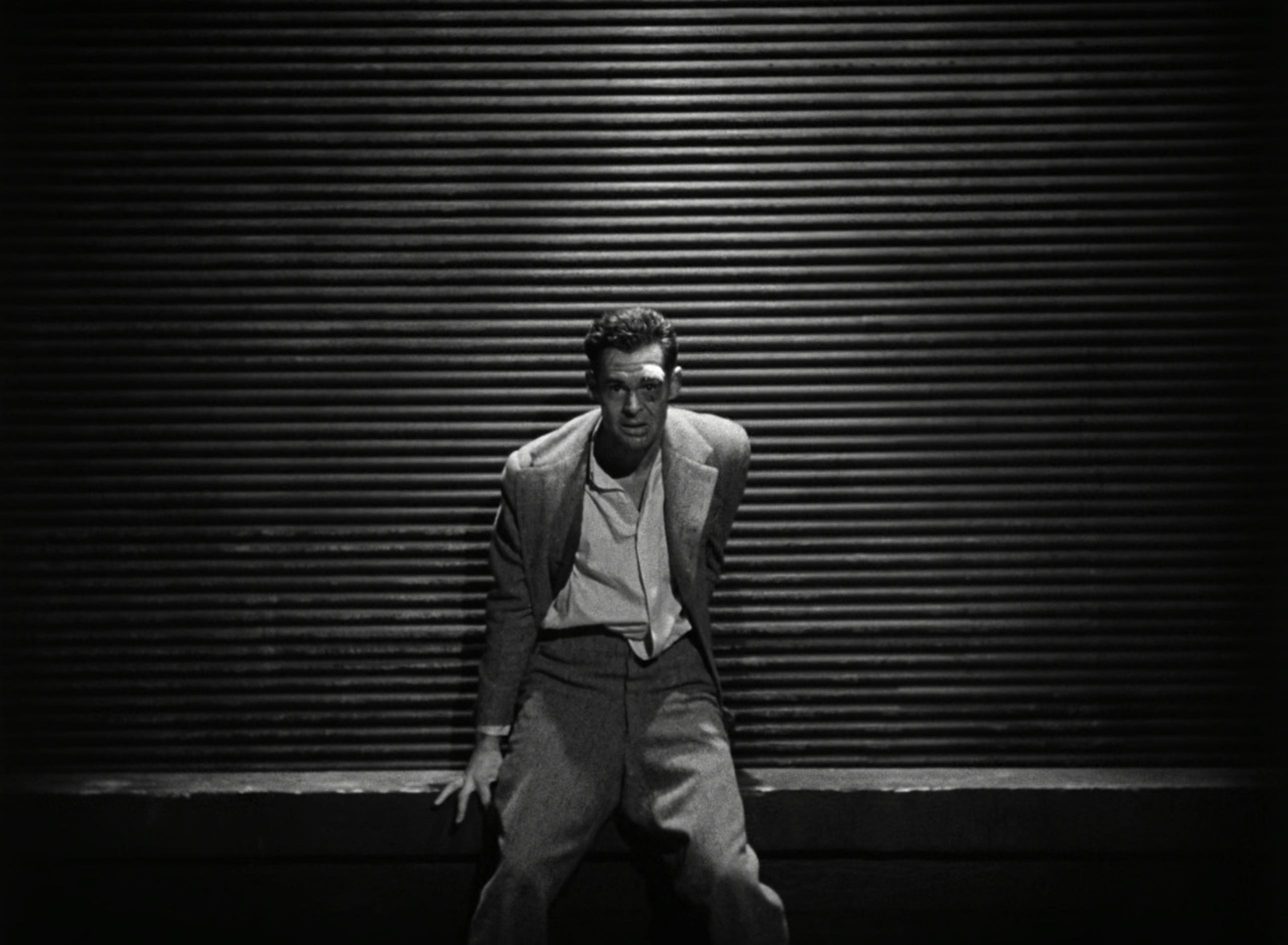
Not only that, his wife, who he constantly glances for throughout the entire film, doesn’t show up until the end of the film while he stumbles out of the alley after being jumped and having his joy in life stolen from his life. Even when you win, you lose.
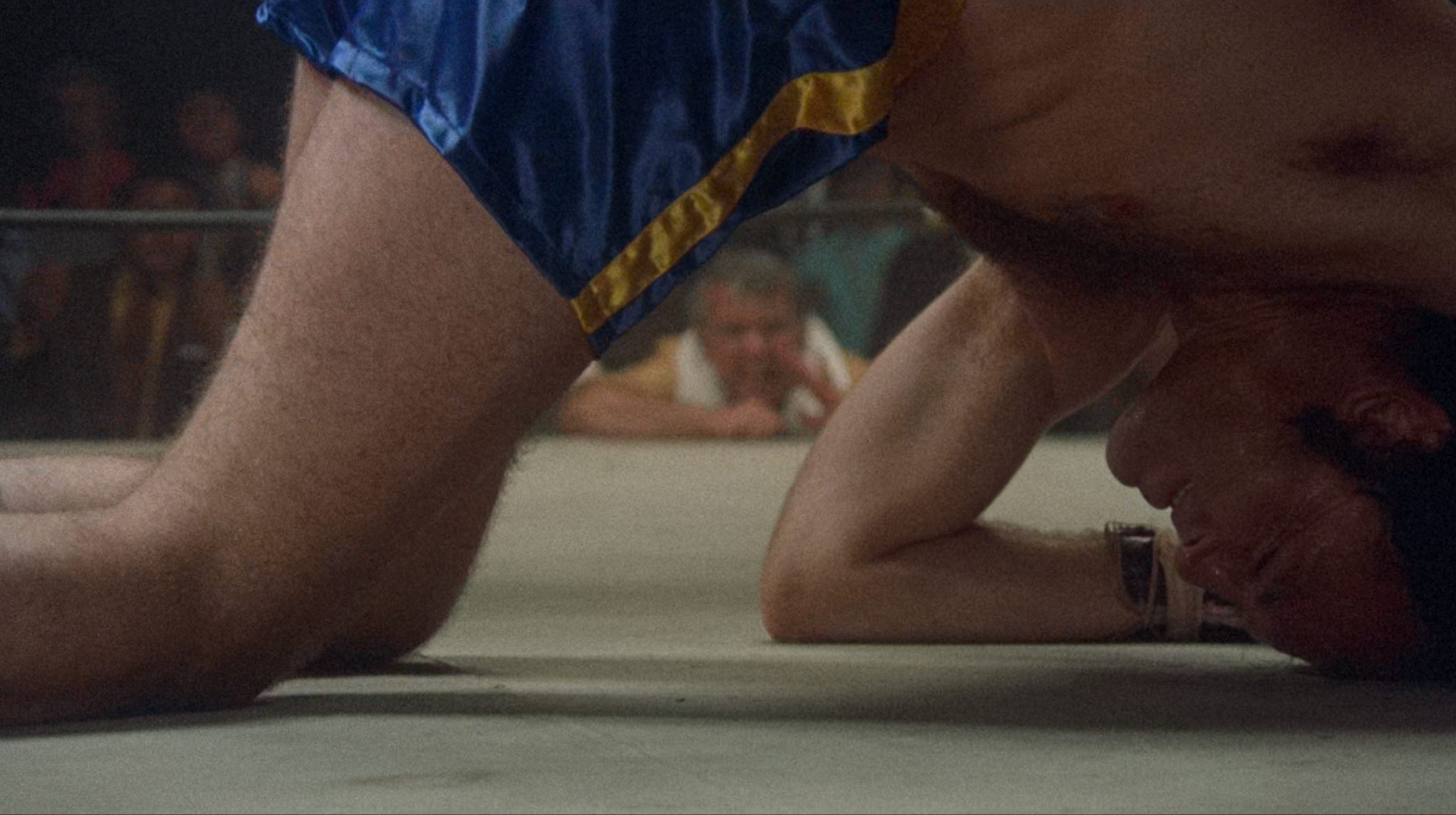
The Set-Up doesn’t quite get into the nitty gritty of just how insidious boxing can be as forwardly as the three other films we watched, but it does it to a great degree given the year of its release. Not only that, out of all the films we watched, The Set-Up shows the most boxing by far.
The film is in realtime, which keeps the constant anxiety and mounting tension high throughout. With a runtime of just 70 minutes, you get to see pretty much every round unfold in its entirety. The exhausting slog of the whole dance is never lost on you, or on the combatants. None of these films make setting into the ring look like a positive experience.
Thanks for reading! Subscribe for free to receive new posts and support my work.